What Our Patients Experience

↓ Falls

A lower risk of falling as your strength and steadiness improve

↑ Stability

More confidence on stairs, uneven ground, in low light, and when turning

↑ Freedom

Getting back to driving, hiking, gardening, and the everyday activities you rely on

↓ Fear of Falling

Less worry about falling, so you stay active instead of holding back

Falls Aren't Inevitable

Balance problems have real, findable causes — and most are treatable. The first step isn't another generic exercise sheet. It's a real look at what's throwing you off — strength, the inner ear, vision, sensation — so treatment targets the actual cause.

Feeling unsteady while standing or walking Frequent stumbles, near-falls, or falls Dizziness, especially with head movement Trouble walking in low light or on uneven ground Worry about stairs, hiking, or leaving the house Difficulty getting out of a chair or turning in bed

What Throws Off Your Balance

Most balance problems involve more than one cause. Retraining the right ones is what actually changes things.

Muscle Weakness & Slow Reactions

Weak hip and ankle muscles, plus slower reactions, let a small stumble turn into a fall — this is the most treatable part.

Inner-Ear Changes

Inner-ear problems can throw off the signal your brain uses to stay balanced — we refer you to the right specialist when they're the main driver.

Vision & Sensation Loss

Vision changes and reduced feeling in the feet take away the inputs your balance depends on.

Medications & Blood Pressure

Some medications and blood-pressure changes are common, reversible causes of unsteadiness — especially in older adults.

Balance disorders are trouble staying steady on your feet, usually from a mix of causes — muscle weakness, inner-ear changes, reduced sensation, vision, and medications. Most balance problems involve more than one cause, and most improve with targeted strength and balance retraining.

Steadier on Your Feet: Balance & Fall Prevention in Bozeman

Do you catch yourself reaching for the wall, slowing down on stairs, or thinking twice before stepping onto uneven ground? Balance problems can quietly shrink your world — but they aren’t something you just have to live with. Most have a cause we can find and treat.

At Root Therapy and Wellness in Bozeman, we help you rebuild steady, confident footing. We look at the whole picture — strength, the inner ear, vision, and sensation — then focus on what’s actually throwing you off. The result is fewer near-misses and more freedom to do the things you want to do.

The Four Systems That Keep You Upright

Balance is a team effort between four systems:

  1. Inner ear — your sense of head position and movement.
  2. Vision — what your eyes tell your brain about your surroundings.
  3. Body sense (proprioception) — what your feet, ankles, and joints report about contact and position.
  4. The brain — how it pulls the other three together and triggers a quick save when you start to tip.

When one system falters, the others cover for it — until they can’t. That’s usually when the unsteadiness shows up. We check each one so we can target the piece that’s actually off.

What Care Looks Like

Most of the work is rebuilding strength and steadiness — for the ankles, hips, and the quick reactions that catch a stumble. We practice walking in the situations where falls really happen: uneven ground, low light, stairs, and turning. If an inner-ear problem is part of it, we point you to the right specialist. And we cover the practical side — home lighting, loose rugs, the right walking aid, and any medications that might be adding to the problem.

Take the First Step

A fall is rarely the first warning. Near-falls, hesitation on stairs, and quietly giving up activities usually come first — and all respond well to targeted retraining. Call to schedule your evaluation, and let’s get you steadier.

Our Treatment Approach

  • Strength & Balance Retraining — Progressive work for the ankle, hip, and stepping muscles on steady and unsteady surfaces.
  • Gait Training — Walking practice on uneven ground, with head turns, and on stairs — the situations where falls actually happen.
  • Inner-Ear Referral — If an inner-ear problem is driving your dizziness, we refer you to the right specialist.
  • Balance Practice with Support Tools — Laser cues, light weights, and gait belts when they help you practice safely and build confidence.
  • Home Safety & Equipment — Practical help with lighting, rugs, grab bars, and the right walking aid — fitted and trained, not just handed over.
  • Medication Review & Coordination — Flagging medications that may add to dizziness and coordinating with your physician.

How Root Is Different

Not all therapy is created equal. Here's why our patients get better results with Balance Disorders.

Conventional PTRoot's Approach Root Therapy
Session ModelShared between an aide and the therapist; limited direct PT timeA full 1-on-1 session with your therapist — no aides
ApproachGeneric balance exercises and a "balance class"A look at all the systems involved — strength, inner ear, vision, sensation — to find what's actually driving it
AssessmentBasic screening onlyA hands-on look at strength, walking, and steadiness
TechniquesStandard exercise handoutsStrength and balance retraining, gait training, and equipment fitting
FocusSymptom and risk reduction at a population levelRetraining the systems actually causing your unsteadiness

Strength Is Fall Prevention

The best-proven way to prevent falls is building strength and steady footing — we make that the core of your plan.

We Find the Real Cause

We look at strength, the inner ear, vision, and sensation together, so treatment targets what's actually going on.

Hands-On Every Visit

Skilled hands-on care and guided retraining every session — not just exercises and a handout.

5.0 out of 5
Knowledgeable PT's and very helpful in planning a program to get my balance problems resolved. I definitely recommend them.
— G.H. Google review · April 2026
5.0 out of 5
The staff is amazing and so kind. It's a great experience every time I go in. They're also very knowledgeable and do a great job explaining.
— S.W. Google review · April 2026
5.0 out of 5
I saw my primary care doctor for back and leg pain. She recommended I get physical therapy. I contacted Root Therapy and wellness. I was able to get an appointment in the next week. They did an evaluation and discussed a treatment plan. My providers were Kristi, PT, and Lindsey, PTA, they both were very respectful, explained every step and made sure I understood. Thanks to them I'm now pain free. I recommend them without reservation.
— T.M. Google review · May 2026

Frequently Asked Questions

What causes balance problems?
Usually more than one thing — muscle weakness, inner-ear changes, reduced sensation in the feet, vision changes, medications, and simply doing less over time. Most balance problems involve a few of these at once. Our assessment sorts out which ones matter for you and treats them in order of importance.
Am I too old for balance therapy?
No. Your balance can improve at any age. Some of our oldest patients see the biggest gains in steadiness and confidence, because strength and balance training work well in older adults.
Can balance therapy actually prevent falls?
Yes. Targeted balance and strength programs are well proven to reduce falls — especially when the plan is matched to your specific needs rather than a generic class.
How is balance therapy different from regular physical therapy?
It’s built around your situation. We look at your strength, walking, and steadiness, find the systems that are actually off, and re-measure over time so we know the plan is working.
How long does balance therapy take?
Balance retraining typically works over weeks to months, depending on what is driving the unsteadiness — strength, inner ear, vision or sensation. Your therapist measures your steadiness at the start and re-tests as you progress, so you can see whether the plan is working rather than guess.
I'm afraid of falling and have stopped doing things I used to. Can therapy help with that?
Yes — and it’s a core part of good balance care. Fear of falling makes things worse by cutting back activity, which leads to more weakness. Building up to harder tasks with a therapist alongside you rebuilds confidence right along with strength.
Should I be using a cane or walker?
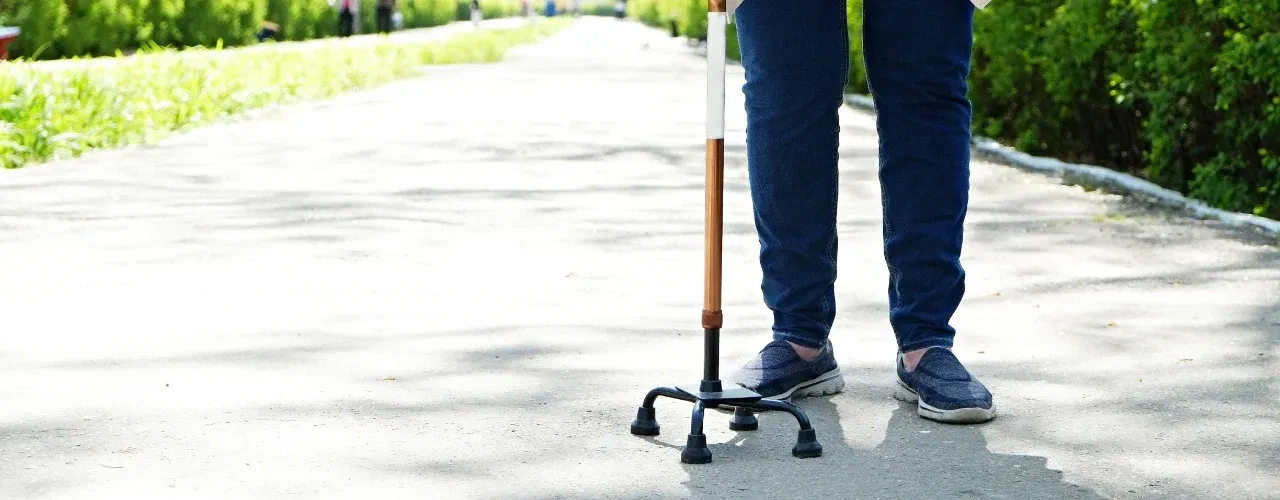
Maybe — and the right device, fitted correctly, can lower fall risk a lot. The wrong one, or a poor fit, can raise it. We assess, fit, and train you to use a device well, and work to reduce your reliance on it over time when we can.
Do I need a referral for balance therapy in Montana?
No — Montana is a direct-access state, so you can schedule balance PT without a referral. Medicare and most major insurers cover it; we check benefits as a courtesy — please confirm coverage with your plan as well.

Reviewed by Kezia Peterson, OT, MOTR/L, SEP Candidate —

Last updated

Feeling unsteady?

Balance and fall-prevention care in Bozeman — we find what's throwing you off and rebuild steady, confident footing. No referral needed for most plans.

Most insurance accepted, Medicare welcome · Serving Bozeman, Belgrade, Manhattan, Four Corners & the Gallatin Valley · Mon–Fri 8am–5pm

Prefer we reach out to you?

Leave your details and we’ll get back to you — or call us now at (406) 219-5388.

We’ll only use this to get back to you — see our privacy policy.

Call Now Text Us

Request a callback

Leave your details and we’ll get back to you.

We’ll only use this to get back to you — see our privacy policy.