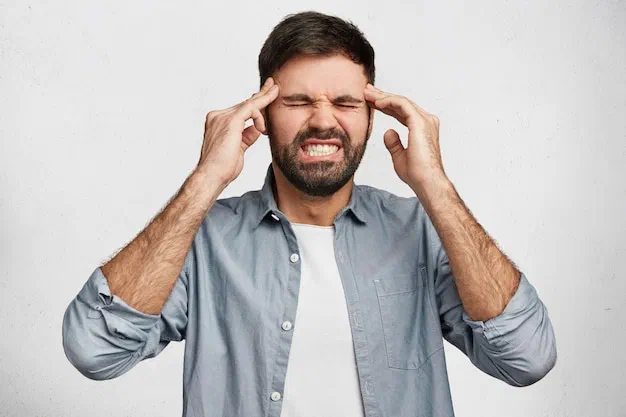
What Our Patients Experience

↓ Symptoms

Fewer headaches, less dizziness, and clearer thinking over the course of care

↑ Function

Getting back to school, work, screens, and busy places without flare-ups

↑ Activity Tolerance

A steady, guided return to exercise and daily activity

↑ Confidence

Knowing how to pace yourself and keep progressing

Concussion Recovery Is More Than Rest

If you're still dealing with headaches, dizziness, or brain fog weeks after a concussion, the answer is rarely more rest. It's targeted, active rehab of the specific systems still misfiring — and most people respond well even months or years out.

Headache or pressure in the head Dizziness or balance problems Brain fog, slowed thinking, or trouble concentrating Sensitivity to light and noise Nausea or motion sensitivity Neck pain and stiffness Sleep changes (trouble sleeping or heavy fatigue) Mood changes — irritability, anxiety, low mood Symptoms that worsen with screens, exertion, or busy places

Why Concussion Symptoms Continue

A concussion disrupts several systems at once. Recovery means addressing each one — not waiting for them all to settle on their own.

A Blow or a Whip of the Head

A hit to the head, body, or neck creates rapid forces that disrupt how the brain works — even without losing consciousness.

Sport & Outdoor Activity

Skiing, mountain biking, hockey, soccer, and falls account for most concussions around Bozeman.

Car Accidents

Whiplash forces can cause a concussion without hitting your head — symptoms often show up days later.

A Neck Injury Alongside It

The same force that concusses the brain usually injures the upper neck — driving headaches and dizziness that look like ongoing concussion.

Past Concussions

Each earlier concussion can make you more susceptible and lengthen recovery if symptoms aren't actively managed.

A concussion — known medically as a mild traumatic brain injury, or mTBI — is a brain injury from a blow or a rapid whip of the head that briefly disrupts how the brain works. Symptoms come from several systems at once — balance, vision, the neck, and thinking — and current evidence supports active, guided recovery rather than long rest.

Active, Multi-System Concussion Recovery in Bozeman

A concussion is a brain injury — but its symptoms come from several systems the injury disrupts at once: balance, vision, the neck, and thinking. Recovery looks like targeted retraining of each one, not waiting for them all to sort themselves out. The “dark room and rest” approach has been replaced by current evidence supporting active, guided recovery — and the people who do best start active rehab earliest.

At Root Therapy and Wellness in Bozeman, we treat concussion with full 1-on-1 sessions, a whole-system assessment, and hands-on care every visit.

The Four Systems We Check

  1. Balance — inner-ear function, steady gaze, and motion sensitivity.
  2. Vision (oculomotor) — eye teaming, focusing, and tracking, which a concussion often throws off.
  3. Neck (cervical) — the upper-neck joints and muscles, almost always injured alongside the brain.
  4. Thinking & headache — brain fog and headache patterns matched to what’s driving them.

Most people with lingering symptoms have two or three of these driving their day-to-day. Treating all of them — at the right pace — is what produces recovery in people who’ve been told to “just wait it out.”

What to Expect at Your First Visit

  1. Comprehensive evaluation (60 minutes) — your history, a symptom review, and balance, vision, neck, and thinking checks.
  2. Diagnosis and plan — a clear read on which systems are involved and the order to address them.
  3. Hands-on treatment that same visit — neck care, balance and vision exercises, and your first guided activity plan.
  4. Home program — daily exercises matched to what you can tolerate now.
  5. Re-assessment every few visits, tracking your symptoms and progress over time.

Take the First Step

The evidence is now clear: earlier active rehab produces better outcomes than long rest. Request an appointment today — most patients are seen within the same week.

Our Treatment Approach

  • Multi-System Concussion Assessment — We check the systems a concussion disrupts — balance, vision, the neck, and thinking and headache — to find what's actually driving your symptoms.
  • Balance & Gaze Retraining — Gaze and balance work for dizziness, motion sensitivity, and unsteadiness.
  • Vision (Oculomotor) Training — Retraining the eye-teaming and focusing skills that a concussion often throws off.
  • Neck Care — Hands-on work for the upper-neck injury that almost always comes with a concussion and drives ongoing headache and dizziness.
  • Gradual Return to Activity — A steady, symptom-guided build back to exercise, screens, work, and school.
  • Calm, Nervous-System-Aware Care — Gentle care for the lingering brain fog, sensitivity, and stress that can follow a concussion.

How Root Is Different

Not all therapy is created equal. Here's why our patients get better results with Concussions.

Conventional PTRoot's Approach Root Therapy
Session ModelShared between an aide and the therapist; limited direct PT timeA full 1-on-1 session with your therapist
Approach"Rest until symptoms resolve" — outdated guidanceActive, symptom-guided rehab matched to current guidelines
AssessmentBasic balance and symptom checklistBalance, vision, neck, and thinking-and-headache screening
TechniquesGeneric balance exercisesBalance and vision retraining, neck manual therapy, and a gradual return to activity
FocusWait it outRecovering the specific systems driving your symptoms

Active Recovery, Not Rest

Current guidelines support getting moving in a guided way — that's how we treat concussion, not by waiting it out.

We Check Every System

Balance, vision, the neck, and thinking — so we treat what's actually driving your symptoms.

Treat the Neck Too

The same force that concusses the brain almost always injures the upper neck. Treating both is often what unlocks recovery.

5.0 out of 5
The staff is amazing and so kind. It's a great experience every time I go in. They're also very knowledgeable and do a great job explaining.
— S.W. Google review · April 2026
5.0 out of 5
I saw my primary care doctor for back and leg pain. She recommended I get physical therapy. I contacted Root Therapy and wellness. I was able to get an appointment in the next week. They did an evaluation and discussed a treatment plan. My providers were Kristi, PT, and Lindsey, PTA, they both were very respectful, explained every step and made sure I understood. Thanks to them I'm now pain free. I recommend them without reservation.
— T.M. Google review · May 2026
5.0 out of 5
I have had an incredible experience at Roots. The woman at the front desk is so helpful and kind. My PT Kristi had helped me rehab my knee and hip so that I can take my dog on hikes again and climb my stairs without pain. I feel heard and seen at my appointments. My time in the office is incredibly helpful. My home exercises are simple but very effective so I actually do them. I also work with Lindsey who is a PT assistant and she has helped my knee with cupping and other manual work. Lindsey has helped me build my strength, balance, and I’m stating to work on endurance/ cardio. I feel like I’m in safe and thoughtful hands at Roots- highly recommend!!!
— A.W. Google review · June 2026

Frequently Asked Questions

How soon should I start concussion rehab?
Current evidence supports starting active rehab within the first week or two. The old “rest in a dark room until you feel better” approach has been replaced by gentle, guided activity, which leads to faster recovery and fewer lingering symptoms. Earlier active care is better, not worse.
What is post-concussion syndrome, and is it treatable?
It’s the term for symptoms that last beyond the usual few-week recovery window. It’s generally driven by treatable balance, vision, neck, or stress-related contributors — not permanent brain damage. People months or even years out from an injury still respond well to targeted, multi-system rehab.
How do I get back to activity after a concussion?
Through a step-by-step return, where you only move up a level once you’re symptom-free at the current one — light activity first, then more, then full participation. For athletes, we coordinate with your team’s medical staff before a return to contact.
What does a concussion evaluation involve?
We check your balance, vision (eye teaming and focusing), neck, and thinking, look at how you tolerate activity, and review your symptoms — so treatment targets exactly what’s driving them.
Why does my neck hurt after a concussion?
Because the same force that concussed your brain almost always injured your upper neck. Neck-driven headaches, stiffness, and dizziness are common — and often mistaken for ongoing concussion. Treating the neck is often what unlocks recovery when symptoms linger.
Should I avoid screens and stay in a dark room?
Briefly, yes — for the first day or two. After that, long screen avoidance and dark-room rest actually slow recovery. We help you add screens, light, and activity back in gradually, at a level that doesn’t spike your symptoms — the approach now supported by major concussion guidelines.
Can a concussion cause long-term brain damage?
Most single concussions recover fully with proper management. Lingering symptoms usually reflect treatable balance, neck, or vision issues rather than permanent injury. Repeated concussions — especially without full recovery between them — carry more risk, which is why proper clearance before returning to contact matters.
My child got a concussion playing sports. Is treatment different for kids?
It follows the same principles with gentler thresholds and a slower pace. Getting back to school comes before getting back to sport, and school accommodations are often part of the plan. We coordinate with schools, athletic trainers, and pediatricians to support a full recovery.
Do I need a referral for concussion rehab in Montana?
No — Montana is a direct-access state, so we can begin without a physician referral. We do recommend a medical evaluation after any concussion to rule out a more serious injury, and we coordinate with your physician throughout.

Last updated

Recovering from a concussion?

Active, multi-system concussion rehab in Bozeman — balance, vision, neck, and a gradual return to activity. Don't just wait it out. No referral needed for most plans.

Most insurance accepted, Medicare welcome · Serving Bozeman, Belgrade, Manhattan, Four Corners & the Gallatin Valley · Mon–Fri 8am–5pm

Prefer we reach out to you?

Leave your details and we’ll get back to you — or call us now at (406) 219-5388.

We’ll only use this to get back to you — see our privacy policy.

Call Now Text Us

Request a callback

Leave your details and we’ll get back to you.

We’ll only use this to get back to you — see our privacy policy.