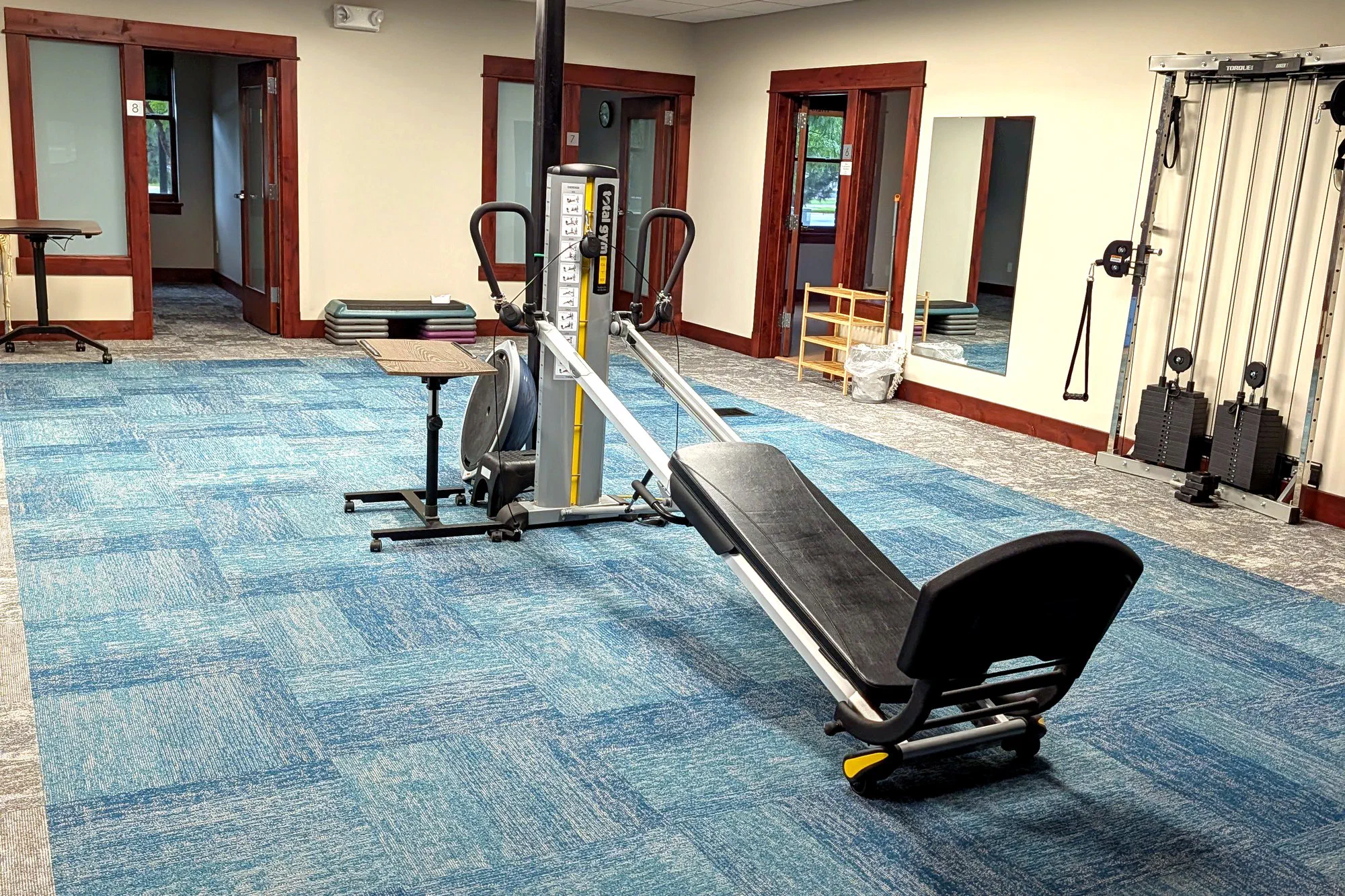
Post-surgical rehabilitation is structured physical and occupational therapy following orthopedic, spinal, or other surgical procedures. It involves protecting healing tissues, restoring range of motion, rebuilding strength, and progressing functional activity through phases that match surgical and biological healing timelines. Outcomes are strongly influenced by the quality and timing of rehab.
Post-Surgical Rehabilitation in Bozeman: Surgeon-Coordinated Recovery That Restores Function
A successful surgical outcome is two things — a well-done surgery and well-done rehabilitation. The surgical part is your surgeon’s. The rest is what determines how much you actually get back. Patients who do focused prehab and structured, hands-on post-op PT recover faster, return to activities sooner, and have better long-term outcomes than those who don’t.
Post-surgical rehabilitation at Root Therapy and Wellness in Bozeman happens in full 1-on-1 sessions, following your surgeon’s protocol, with hands-on manual therapy every visit.
What We Treat
- Total joint replacement — knee (TKA), hip (THA), shoulder (TSA, reverse).
- Knee surgery — ACL/MCL/PCL reconstruction, meniscus repair or meniscectomy, microfracture.
- Shoulder surgery — rotator cuff repair, labral repair, instability surgery, decompression.
- Hand and wrist surgery — carpal tunnel release, tendon repair, fracture fixation.
- Foot and ankle surgery — bunion correction, Achilles repair, ankle stabilization.
- Spinal surgery — discectomy, laminectomy, fusion (with appropriate precautions).
- Sports surgeries — a steady, guided return to your activities.
The Phases of Recovery
- Prehab (4–6 weeks pre-surgery) — building strength, mobility, and confidence so you arrive at surgery as strong as possible.
- Acute (week 0–2) — managing swelling, basic ROM, safe transfers, gait, sleep position.
- Subacute (week 2–6) — progressive ROM, foundational strengthening, scar mobilization.
- Strengthening (week 6–12) — heavier loading, balance retraining, return to most daily activities.
- Functional return (3–9+ months) — sport, lifting, longer activities, durable strength and confidence.
The first 6–12 weeks are the highest-leverage window. Range of motion, scar quality, and motor patterns established early are much harder to change later.
What to Expect at Your First Visit
- Comprehensive evaluation (60 min) — review of surgical procedure, surgeon precautions, current ROM, strength, function, and any complications.
- Treatment plan — phase-appropriate goals matched to your surgeon’s protocol.
- Hands-on treatment that same visit — manual therapy, scar mobilization (when appropriate), and graded mobilization within precautions.
- Home program — daily exercises calibrated to current phase.
- Re-assessment every 3–4 visits with progress reports communicated to your surgeon as needed.
Why Patients in Bozeman Choose Root for Post-Surgical Rehab
- Skilled hands-on care from therapists who do post-surgical rehab every day.
- Hands-on every visit — manual therapy, scar work, soft-tissue release.
- Surgeon-coordinated — we follow your specific protocol and communicate directly.
- Milestone-based progression — clear range-of-motion, strength, and functional goals.
- Prehab programs for patients who want to enter surgery as strong as possible.
- Direct access — no referral required in Montana.
- Medicare and most insurance accepted.
Take the First Step
The single biggest predictor of post-surgical outcomes is the quality of rehabilitation. Request an appointment today — most patients are seen within the same week, and prehab can begin as soon as surgery is scheduled.
Our Treatment Approach
- Surgeon-Coordinated Protocols — We follow your surgeon's specific guidelines and precautions, communicate progress, and flag concerns directly.
- Range of Motion Restoration — Graded mobilization, joint mobilization within precautions, and active-assisted ROM matched to the phase of recovery.
- Manual Therapy — Soft-tissue work, joint mobilization, and scar mobilization to address surgical guarding and prevent restriction.
- Progressive Strengthening — Phase-appropriate loading — light at first, then progressively heavier as healing permits.
- Scar Mobilization — Early scar work to prevent adhesions that limit long-term motion and function. For abdominal surgeries, gentle visceral manipulation can address restriction that settles deeper in the trunk.
- Functional Progression — Milestone-based advancement to sport, lifting, work demands, and full activity.
- Prehab (Pre-Surgical Preparation) — Strengthening, mobility, and education in the weeks before surgery — research shows this measurably improves post-operative outcomes.