What Our Patients Experience

↑ Walking Distance

Many people significantly increase their pain-free walking distance with structured rehab

↓ Pain

Less standing and walking pain with targeted treatment

↓ Surgery

Many people delay or avoid surgery with conservative care

↑ Function

Getting back to hiking, ranching, household activities, and daily routines

Walking Shouldn't Hurt This Much

When standing in a grocery line is harder than a 5-mile hike used to be, stenosis is running your day. Our hands-on, function-based approach restores what you can do — and for many people, delays or avoids surgery.

Back or neck pain with symptoms into the arms or legs Pain, numbness, or heaviness in the legs with standing or walking Relief from sitting, leaning on a shopping cart, or bending forward Being able to walk less far before you have to stop Neck stenosis may cause arm symptoms or balance and walking changes Weakness or fatigue in the legs during activity

Why Stenosis Symptoms Worsen Over Time

When symptoms linger long after an injury should have healed, deeper dysfunctions keep discomfort signals flowing.

Age-Related Wear

Bone spurs, thickened ligaments, and bulging discs gradually narrow the space in the spine — most common after age 50.

Disc & Joint Changes

Combined disc and joint changes add to the narrowing.

A Naturally Narrow Canal

Some people are born with a smaller-than-average canal, so symptoms show up earlier.

Changes After Spine Surgery

Narrowing can develop above or below a previous fusion.

Spinal stenosis is a narrowing of the space in your spine, most often in the low back or neck, that squeezes the nerves and causes pain, numbness, or weakness. It's often worse with standing and walking, and better with sitting or leaning forward.

Spinal Stenosis Care in Bozeman — Restore Walking Without Rushing Into Surgery

Spinal stenosis is one of the most common reasons older adults in the Gallatin Valley seek physical therapy — and one where the right care can dramatically change how you function. A growing body of research shows structured PT produces outcomes comparable to surgery for many people with low-back stenosis, often with fewer complications and at lower cost. The key is care built for stenosis: the right exercises, manual therapy, hip mobility, and a walking progression.

At Root Therapy and Wellness in Bozeman, stenosis care happens in full 1-on-1 sessions, with hands-on treatment every visit and Medicare-friendly billing.

Low-Back vs. Neck Stenosis

Low-back stenosis is the most common, and causes:

  • Low back pain with leg pain or heaviness
  • Symptoms worse with standing and walking, better with sitting or leaning forward
  • Being able to walk less far before you stop

Neck stenosis can cause:

  • Neck pain with arm symptoms
  • Balance and walking changes
  • Hand clumsiness and weak grip

Neck stenosis with balance or coordination changes is more concerning and may need earlier surgical review. We screen for it and coordinate with a specialist when needed.

What to Expect at Your First Visit

  1. Comprehensive evaluation (60 minutes) — your history, a look at how you walk, a baseline walking distance, a nerve screen, and a check of your posture and hip mobility.
  2. Diagnosis and plan — clear goals (walking distance, standing tolerance) with a timeline.
  3. Hands-on treatment that same visit — manual therapy and the right exercises.
  4. Home program — daily exercises, hip mobility, and a walking progression.
  5. Re-assessment every few visits, tracking your walking distance.

Take the First Step

Stenosis tends to progress without treatment — and structured rehab often changes that in a big way. Request an appointment today — most patients are seen within the same week.

Our Treatment Approach

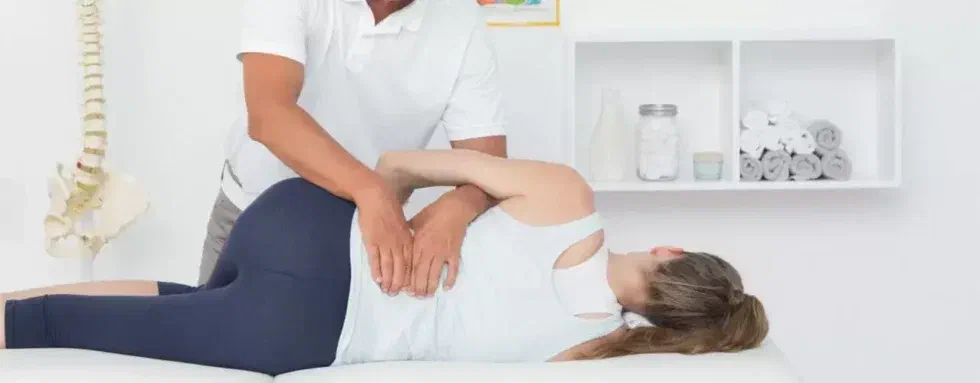
  • Manual Therapy & Joint Mobilization — Hands-on work to restore movement and ease pain.
  • Hip & Core Strengthening — Building hip mobility and core endurance so your low back handles standing and walking better.
  • Walking Progression — A step-by-step build back to more walking, with posture cues and a walking aid if you need one.
  • Nerve Mobilization — Gentle movements to ease the nerve tension behind your leg symptoms.

How Root Is Different

Not all therapy is created equal. Here's why our patients get better results with Spinal Stenosis.

Conventional PTRoot's Approach Root Therapy
Session ModelBrief direct PT time; rest with an aideA full 1-on-1 session with your therapist
ApproachGeneric stretches and core exercisesHands-on, function-based care — the right exercises, manual therapy, and a walking progression
TechniquesStandard protocols not tailored for stenosisManual therapy, nerve mobilization, hip mobility, and walking progression
AssessmentInitial eval onlyOngoing reassessment with walking-distance benchmarks
FocusSymptom reductionRestored walking tolerance and independence

Hands-On Every Visit

Manual therapy and nerve mobilization in every session.

Walking-Distance Benchmarks

We track your pain-free walking distance as the key measure of progress.

Care Built for Stenosis

The right exercises and positions for a narrowed spine — not generic back exercises.

5.0 out of 5
I saw my primary care doctor for back and leg pain. She recommended I get physical therapy. I contacted Root Therapy and wellness. I was able to get an appointment in the next week. They did an evaluation and discussed a treatment plan. My providers were Kristi, PT, and Lindsey, PTA, they both were very respectful, explained every step and made sure I understood. Thanks to them I'm now pain free. I recommend them without reservation.
— T.M. Google review · May 2026
5.0 out of 5
I have had an incredible experience at Roots. The woman at the front desk is so helpful and kind. My PT Kristi had helped me rehab my knee and hip so that I can take my dog on hikes again and climb my stairs without pain. I feel heard and seen at my appointments. My time in the office is incredibly helpful. My home exercises are simple but very effective so I actually do them. I also work with Lindsey who is a PT assistant and she has helped my knee with cupping and other manual work. Lindsey has helped me build my strength, balance, and I’m stating to work on endurance/ cardio. I feel like I’m in safe and thoughtful hands at Roots- highly recommend!!!
— A.W. Google review · June 2026
5.0 out of 5
I have been to many physical therapists for various injuries over my lifetime and this clinic is the absolute best. I feel like for the first time we are creating a plan to rehabilitate my injury but also figuring out how to avoid injuries in the future and create a strong body for my future. Tracey and Kristi both have shown me exercises I will do for life. I am so happy I chose Root.
— H.W. Google review · August 2025

Frequently Asked Questions

Can physical therapy really help spinal stenosis?
Yes. A growing body of research shows that structured PT — the right exercises combined with manual therapy and a walking progression — produces outcomes comparable to surgery for many people with low-back stenosis, often with fewer complications and at lower cost.
When is surgery necessary for spinal stenosis?
Surgery is considered for worsening nerve problems, severe and disabling symptoms that haven’t responded to a few months of conservative care, or a rare emergency involving the nerves to the bladder and bowel. Many people can delay or avoid surgery with structured rehab.
Why does sitting relieve my stenosis pain?
Sitting and leaning forward open up the space in your spine and take pressure off the nerves — that’s why people lean on a shopping cart or stop to sit. It’s a useful clue about your anatomy, and your therapist builds your plan around what actually gives you relief.
Will my walking distance ever come back?
For many people, yes — often substantially. Pain-free walking distance usually improves as hip and low-back mobility increase and walking tolerance is rebuilt. Your therapist measures your baseline walking distance at the evaluation and re-tests it, so the gain is a number rather than an impression.
Is stenosis the same as arthritis?
Related, but not the same. Spinal arthritis is joint changes in the spine; stenosis is narrowing of the space that squeezes the nerves. Many people have both — and both respond well to similar PT.
What about steroid injections?
An injection can give short-term relief that opens a window for active rehab. It’s not usually a cure on its own, but combined with PT it can help break a pain cycle. Your physician decides whether an injection is appropriate.
Can I exercise with stenosis?
Yes — and you should. Cycling, swimming, and walking with good posture are usually well-tolerated. Hold off on prolonged back-arching activities until your tolerance builds. We guide what’s safe for your situation.
Does Medicare cover stenosis PT?
Yes. Medicare covers medically necessary physical therapy for spinal stenosis. We accept Medicare, and we verify benefits as a courtesy — please confirm coverage with your plan as well.
Do I need a referral for stenosis PT in Montana?
Montana is a direct-access state, so most plans don’t require a referral. Medicare and Medicaid do — we help coordinate that with your primary care or spine provider.

Last updated

Stenosis stealing your walking distance?

Hands-on, function-based physical therapy for spinal stenosis in Bozeman — many people delay or avoid surgery with structured rehab. Medicare welcome.

Most insurance accepted, Medicare welcome · Serving Bozeman, Belgrade, Manhattan, Four Corners & the Gallatin Valley · Mon–Fri 8am–5pm

Prefer we reach out to you?

Leave your details and we’ll get back to you — or call us now at (406) 219-5388.

We’ll only use this to get back to you — see our privacy policy.

Call Now Text Us

Request a callback

Leave your details and we’ll get back to you.

We’ll only use this to get back to you — see our privacy policy.